Data Science

Data Science for Business With R

Data Science for Business With R: In today’s fast-paced business environment, leveraging data has become imperative for success. Data Science, a multidisciplinary field that uses scientific methods, processes, algorithms, and systems to extract insights from structured and unstructured data, plays a pivotal role in guiding business decisions.

Role of R in Data Science

One of the key players in the data science arena is the programming language R. Renowned for its statistical computing and graphics capabilities, R provides an ideal environment for businesses to conduct data analysis, visualization, and implement machine learning algorithms.

Applications of Data Science in Business

The applications of data science in business are diverse. From predictive analytics that forecasts future trends to customer segmentation aiding targeted marketing, and fraud detection enhancing security measures, data science reshapes how businesses operate.

Getting Started with R for Business Data Analysis

The journey begins with installing R and RStudio for those new to R. Understanding the basics of R programming is crucial for businesses aiming to harness its power for data analysis and decision-making.

Data Science for Business With R

Download:

Data Collection and Preprocessing

To derive meaningful insights, businesses must focus on collecting clean and relevant data. R offers robust techniques for data preprocessing, ensuring that the information used is of the highest quality.

Exploratory Data Analysis (EDA) with R

Visualizing data using R libraries and extracting valuable insights through exploratory analysis is a cornerstone of business data science. R’s capabilities in this realm empower businesses to make informed decisions.

Statistical Modeling in Business

R excels in statistical modeling, including regression analysis and hypothesis testing. These tools enable businesses to derive statistical significance from data, leading to more accurate predictions and informed decision-making.

Machine Learning in Business with R

As businesses delve into machine learning, R provides a comprehensive suite of algorithms for implementation. From classification to regression, businesses can leverage R to build models that enhance their understanding of data patterns.

Data Visualization for Business Decision-Making

Creating compelling visualizations in R is an art. Effective communication of insights through graphs and charts aids in the decision-making process, allowing businesses to act on data-driven information.

Challenges and Opportunities in Business Data Science

While the benefits are immense, businesses must also address challenges such as data quality and interpretability. Looking forward, the evolution of data science presents exciting opportunities for innovation and growth.

Case Studies: Real-world Applications

Examining real-world case studies showcases the tangible impact of data science on businesses. From optimizing operations to improving customer experiences, these examples highlight the transformative power of data.

Best Practices in Data Science for Business

Establishing a data-driven culture within the organization is crucial. Continuous learning and adaptation to new technologies ensure that businesses stay at the forefront of data science advancements.

Security and Ethics in Business Data Science

With great power comes great responsibility. Data privacy and ethical considerations in data science practices are paramount for maintaining trust and integrity.

Measuring Success in Data Science Projects

Businesses must define key performance indicators (KPIs) to measure the success of data science projects. Evaluating the impact on business outcomes ensures that data science initiatives align with overall goals.

Conclusion

In conclusion, embracing data science with R empowers businesses to navigate the complexities of the modern market. From insightful analysis to strategic decision-making, the fusion of data science and R offers a competitive edge in today’s dynamic business landscape.

Download(PDF)

Download: Data Science for Business

Python Social Media Analytics: Unraveling Insights with Code

Python Social Media Analytics: Unraveling Insights with Code: In the vast landscape of digital communication, understanding the nuances of social media is paramount. Python, a versatile and powerful programming language, has emerged as a key player in deciphering the wealth of information available on various platforms. Let’s delve into the realm of Python Social Media Analytics and explore how it can revolutionize the way we interpret online interactions.

Why Python for Social Media Analytics?

Python’s popularity in the programming community is not without reason. Its adaptability, extensive library support, and open-source nature make it an ideal choice for social media analytics.

Versatility of Python

Python’s versatility allows developers to seamlessly switch between different tasks, making it conducive for handling diverse social media platforms.

Abundance of Libraries

The Python ecosystem boasts a plethora of libraries tailored for social media analytics, easing the development process and enabling developers to focus on extracting meaningful insights.

Open Source Advantage

Being an open-source language, Python encourages collaboration and innovation. Developers worldwide contribute to enhancing its capabilities for social media analytics.

Python Social Media Analytics Unraveling Insights with Code

Key Python Libraries for Social Media Analytics

  • Tweepy for Twitter Analytics
  • PRAW for Reddit Analytics
  • Instaloader for Instagram Analytics

These libraries serve as invaluable tools for extracting data from specific platforms, enabling developers to harness the unique characteristics of each social media channel.

Setting Up Python for Social Media Analytics

  • Before embarking on the analytics journey, it’s essential to set up your Python environment.
  • Installing Python and Required Libraries
  • Ensure Python and relevant libraries are installed to kickstart your analytics project.
  • Creating API Keys for Social Media Platforms
  • Acquire API keys for the target platforms (Twitter, Reddit, Instagram) to access their data programmatically.
  • Configuring Python Environment
  • Fine-tune your Python environment to optimize performance and compatibility with social media analytics libraries.

Extracting Data from Social Media Platforms

  • Tweepy: Fetching Tweets and Trends
  • Leverage Tweepy to access Twitter’s API, extracting real-time tweets, and uncovering trending topics.
  • PRAW: Gathering Reddit Posts and Comments
  • With PRAW, dive into the vast world of Reddit, extracting posts, comments, and trends.
  • Instaloader: Downloading Instagram Data
  • Unlock the potential of Instagram data using Instaloader, fetching images, captions, and engagement metrics.

Data Analysis and Visualization

  • With data in hand, Python’s data manipulation and visualization tools come into play.
  • Using Pandas for Data Manipulation
  • Pandas simplifies data manipulation, allowing for seamless organization and analysis of social media data.
  • Plotting Insights with Matplotlib and Seaborn
  • Visualize trends and patterns using Matplotlib and Seaborn, making data interpretation accessible to non-technical stakeholders.
  • Creating Interactive Dashboards with Plotly
  • Elevate your analytics game by building interactive dashboards with Plotly, facilitating dynamic exploration of insights.

Sentiment Analysis with Python

  • Understanding audience sentiment is crucial for meaningful insights.
  • Understanding Sentiment Analysis
  • Explore the basics of sentiment analysis, discerning positive, negative, and neutral sentiments in social media content.
  • Implementing Sentiment Analysis with Python
  • Apply sentiment analysis to your social media data using Python libraries, gaining deeper insights into audience emotions.
  • Interpreting Results
  • Learn to interpret sentiment analysis results, extracting actionable intelligence for strategic decision-making.
  • Challenges and Considerations
  • While Python social media analytics offers immense potential, it comes with its share of challenges.
  • Ethical Concerns in Social Media Analytics
  • Navigate the ethical landscape by respecting user privacy and adhering to ethical data usage practices.
  • Handling Big Data Challenges
  • Address the challenges posed by the sheer volume of social media data, implementing scalable solutions for efficient processing.
  • Staying Updated with Platform Changes
  • Social media platforms evolve, necessitating continuous adaptation to API changes and data structures.

Case Studies

  • Real-life Examples of Successful Python Social Media Analytics
  • Explore case studies showcasing successful applications of Python in unraveling valuable insights.
  • Lessons Learned from Failures
  • Learn from instances where Python social media analytics fell short, deriving lessons for future projects.

Future Trends in Python Social Media Analytics

  • Integration with AI and Machine Learning
  • Explore the future convergence of Python social media analytics with AI and machine learning for predictive insights.
  • Evolving Technologies and Their Impact
  • Anticipate the impact of emerging technologies on the field of social media analytics, staying ahead of the curve.
  • Predictions for the Future
  • Make informed predictions about the trajectory of Python social media analytics, foreseeing its role in shaping digital communication.
  • Benefits of Python Social Media Analytics for Businesses
  • Improving Marketing Strategies
  • Enhance marketing strategies by leveraging Python analytics to understand audience behavior, preferences, and trends.
  • Enhancing Customer Engagement
  • Boost customer engagement by tailoring products and services based on insights derived from social media data.
  • Competitive Advantage
  • Gain a competitive edge by staying ahead of market trends and consumer sentiment through Python social media analytics.

Getting Started: A Step-by-Step Guide

  • Beginners’ Guide to Python Social Media Analytics
  • For newcomers, a step-by-step guide to initiating a Python social media analytics project, ensuring a smooth learning curve.
  • Resources for Further Learning
  • Explore additional resources, tutorials, and courses to deepen your understanding and mastery of Python social media analytics.

Common Mistakes to Avoid

  • Overlooking Privacy and Compliance
  • Avoid legal pitfalls by prioritizing user privacy and adhering to data protection regulations.
  • Ignoring Data Quality Issues
  • Ensure data accuracy and reliability by addressing data quality issues early in the analytics process.
  • Underestimating the Power of Visualization
  • Maximize the impact of your insights by investing time and effort in compelling data visualization.

Success Stories

  • Companies Leveraging Python Social Media Analytics
  • Discover how leading companies leverage Python to gain a competitive advantage through insightful social media analytics.
  • Individual Success Stories
  • Explore stories of individuals who have harnessed Python social media analytics to achieve personal and professional success.

Conclusion

In the realm of digital communication, Python social media analytics emerges as a powerful tool for unraveling insights. By seamlessly integrating with various platforms, Python empowers individuals and businesses to make data-driven decisions, enhancing their online presence and engagement.

Download(PDF)

Download: Robust Python

Introduction to Probability, Statistics, and R

Introduction to Probability Statistics and R: Probability, statistics, and R though seemingly disparate, form a powerful trio in the world of data science and analysis. In this article, we’ll unravel the intricacies of these concepts and explore how they synergize to provide valuable insights across various domains.

I. Introduction

Understanding Probability, Statistics, and R is crucial in today’s data-driven world. Whether you’re a student delving into the basics or a professional seeking to enhance your analytical skills, this article is your guide.

II. Understanding Probability

Defining Probability

Probability is the likelihood of an event occurring. It ranges from 0 to 1, where 0 indicates impossibility, and 1 signifies certainty. We’ll explore fundamental probability rules and share real-world examples to demystify this concept.

III. Basics of Statistics

Statistics involves collecting, analyzing, interpreting, presenting, and organizing data. Distinguishing between descriptive and inferential statistics, we’ll delve into key measures like mean, median, and mode, providing a solid statistical foundation.

Introduction to Probability, Statistics, and R
Introduction to Probability Statistics and R

IV. Introduction to R

Overview of the R programming language

R, a powerful statistical programming language, is gaining prominence for its versatility in data analysis. We’ll cover its significance, guide you through installation, and help set up your R environment.

V. Probability and Statistics in R

Discover how R simplifies probability calculations, leverages statistical functions, and facilitates data visualization. Practical examples will showcase the seamless integration of probability and statistics within the R environment.

VI. Practical Applications

Explore the real-world applications of Probability, Statistics, and R across diverse industries. Case studies will illustrate how these concepts translate into actionable insights, driving informed decision-making.

VII. Challenges and Common Misconceptions

Addressing common challenges

Navigating the complexities of probability and statistics can be daunting. We’ll address common challenges and provide clarity on misunderstood aspects of R, ensuring a smoother learning experience.

VIII. Tips for Learning and Mastering

Effective strategies for mastery

Mastering Probability, Statistics, and R requires a strategic approach. We’ll share effective learning strategies and recommend valuable resources to accelerate your proficiency.

IX. Advancements and Trends

Stay ahead by exploring current trends in probability and statistics. Learn about innovations and advancements in the R programming language, positioning yourself at the forefront of data analysis.

X. Integrating Probability, Statistics, and R

Discover practical ways to integrate these concepts for enhanced data analysis. From predictive modeling to risk assessment, we’ll showcase cross-disciplinary applications that amplify the impact of Probability, Statistics, and R.

XI. Real-world Examples

Success stories and testimonials

Learn from professionals who have successfully applied Probability, Statistics, and R in their careers. Real-world examples will inspire and provide valuable insights into the tangible benefits of mastering these concepts.

XII. Future Prospects

Explore the evolving role of Probability, Statistics, and R in shaping the future. Uncover opportunities for individuals skilled in these domains and gain foresight into the dynamic landscape of data science.

XIII. Conclusion

In conclusion, Probability, Statistics, and R are not isolated concepts but interconnected tools that empower individuals in the realm of data analysis. Continuous learning in these fields opens doors to endless possibilities, making them indispensable in the modern age.

Download(PDF)

Download: Applied Multivariate Statistics with R

Statistics: An Introduction Using R

Statistics: An Introduction Using R: Statistics plays a pivotal role in understanding and interpreting data, providing valuable insights across various disciplines. In this digital age, harnessing the power of statistical analysis has become more accessible, thanks to tools like R programming. If you’re eager to embark on a statistical journey using R, this article will serve as your comprehensive guide.

Introduction to Statistics

Statistics is the science of collecting, analyzing, interpreting, presenting, and organizing data. It is indispensable in fields like economics, biology, social sciences, and more. Decision-makers rely on statistical insights to make informed choices, making it a fundamental skill in today’s data-driven world.

Overview of R Programming

R, a programming language and environment specifically designed for statistical computing and graphics, has gained immense popularity. Its open-source nature and active community make it an excellent choice for statisticians and data scientists alike. Let’s delve into the basics of R and its significance in statistical analysis.

Setting Up R Environment

Before diving into statistical analysis, you need to set up your R environment. Start by installing R and RStudio, a powerful integrated development environment (IDE) for R. Familiarize yourself with the RStudio interface, as it will be your command center for statistical exploration.

Statistics An Introduction Using R

Basic Statistical Concepts

Understanding fundamental statistical concepts is crucial. Explore measures like mean, median, and mode, along with variability and standard deviation. These metrics lay the groundwork for more advanced analyses in R.

Data Types in R

R supports various data types, including numeric, character, and factor. Learn how to handle these data types effectively and explore the different data structures R provides for organizing and manipulating your data.

Data Visualization with ggplot2

Enhance your statistical storytelling by mastering ggplot2, a powerful data visualization library in R. Create compelling plots and charts to gain insights into your data’s patterns and trends.

Descriptive Statistics in R

Learn how to generate summary statistics in R, providing a quick snapshot of your dataset. Dive deeper into exploring data distributions to uncover hidden patterns.

Inferential Statistics Using R

Move beyond descriptive statistics and enter the realm of inferential statistics. Understand hypothesis testing and conduct t-tests and chi-square tests to draw meaningful conclusions from your data.

Regression Analysis in R

Unlock the predictive power of statistics with regression analysis. Delve into linear regression, a key tool for understanding relationships between variables, and implement it in R for practical applications.

Time Series Analysis with R

For time-dependent data, R offers robust tools for time series analysis. Learn to identify trends, patterns, and seasonality in your data, empowering you to make informed decisions.

Machine Learning with R

Explore the intersection of statistics and machine learning. Gain a foundational understanding of machine learning concepts and build a simple predictive model using R.

Handling Missing Data in R

Real-world datasets often come with missing values. Discover techniques for handling missing data and explore imputation methods to maintain the integrity of your analyses.

Challenges and Best Practices in R

Navigate common challenges faced in statistical analysis using R. Adopt best practices to streamline your workflow and ensure accuracy in your results.

Resources for Learning R Statistics

Embark on your learning journey with recommended resources, including online courses, tutorials, books, and forums. Connect with the vibrant R community to enhance your skills.

Conclusion

In this article, we’ve covered the essentials of statistics using R, from setting up your environment to advanced analyses. Whether you’re a novice or looking to expand your statistical toolkit, R provides a versatile platform for exploration and discovery.

Download(PDF)

Download: Biostatistics with R: An Introduction to Statistics Through Biological Data

Robust Python

Python, a versatile and powerful programming language, has gained immense popularity for its simplicity and readability. However, writing robust Python code goes beyond mere syntax. In this article, we will explore the intricacies of creating robust Python programs, addressing common challenges, implementing best practices, and leveraging essential tools and techniques to ensure the resilience and reliability of your code.

Introduction to Robust Python

Programming in Python involves more than just writing functional code. Robust Python programming focuses on building code that can withstand unexpected situations and errors, providing a stable and reliable foundation for applications.

Common Challenges in Python Programming

Handling errors and exceptions

One of the key challenges in Python programming is effectively handling errors and exceptions. We will delve into strategies for gracefully managing errors without compromising the overall functionality of the code.

Dealing with unexpected input

Robust Python code anticipates and handles unexpected input gracefully. We’ll discuss techniques for validating and sanitizing input to ensure the smooth execution of the program.

Ensuring code stability

Code stability is paramount in large-scale projects. We’ll explore methodologies to maintain code stability over time, preventing unforeseen issues from disrupting the functionality of the program.

Robust Python
Robust Python

Key Features of Robust Python Code

Defensive programming techniques

Learn how to implement defensive programming techniques, where the code is designed to handle unexpected situations proactively. This includes anticipating potential issues and incorporating safeguards within the code.

Proper error-handling strategies

Effective error handling is crucial for robust Python code. Discover various error-handling strategies, including try-except blocks and logging, to ensure that your code can gracefully recover from unexpected situations.

Input validation and sanitation

Explore the significance of validating and sanitizing input to prevent security vulnerabilities and unexpected behavior. We’ll discuss best practices for handling user input and data validation.

Best Practices for Writing Robust Python Code

Using meaningful variable names

Meaningful variable names contribute to code readability and maintenance. We’ll discuss the importance of choosing descriptive variable names and how it enhance the overall robustness of the code.

Modularizing code for easier maintenance

Breaking down code into modular components not only enhances maintainability but also contributes to code robustness. Learn best practices for structuring your code to improve its resilience over time.

Employing testing methodologies

Discover the importance of testing in robust Python programming. We’ll explore different testing methodologies, including unit testing, to ensure the reliability of your code.

Error Handling in Python: A Deep Dive

Try-except blocks and their variations

Understand the intricacies of try-except blocks and their variations. We’ll explore how these constructs help in handling exceptions gracefully and maintaining the stability of the code.

Logging and debugging for error tracing

Effective logging and debugging are essential for identifying and resolving errors. Learn how to implement logging mechanisms and debugging tools to trace and troubleshoot issues in your Python code.

The Role of Unit Testing in Ensuring Robustness

Writing effective unit tests

Explore the importance of writing effective unit tests to validate the functionality of individual components. We’ll discuss best practices for creating comprehensive unit tests contributing to code robustness.

Integrating unit testing into the development process

Discover how to seamlessly integrate unit testing into your development workflow. We’ll discuss tools and practices for incorporating testing early in the development cycle to catch issues before they escalate.

Defensive Programming Techniques

Assert statements for validation

Learn how to use assert statements for runtime validation. We’ll explore how assert statements can act as a defensive mechanism to check assumptions and validate conditions within your code.

Input validation using regular expressions

Regular expressions are powerful tools for input validation. We’ll discuss how to leverage regular expressions to validate and sanitize user input, enhancing the security and reliability of your Python code.

Python Libraries for Robust Programming

Overview of Libraries Promoting Robustness

Explore Python libraries that are specifically designed to enhance code robustness. We’ll discuss popular libraries and their applications in building resilient and reliable Python programs.

Examples of implementing these libraries

Dive into practical examples of implementing robustness-promoting libraries in Python code. We’ll walk through real-world scenarios where these libraries add value to the overall robustness of the application.

Handling Edge Cases with Elegance

Identifying and addressing edge cases

Effectively handling edge cases is a hallmark of robust programming. Learn how to identify and address edge cases gracefully, ensuring your code remains stable in a variety of scenarios.

Implementing fallback mechanisms

Discover strategies for implementing fallback mechanisms to gracefully handle unexpected situations. We’ll discuss how to design fallbacks that ensure your code can recover and continue functioning even when faced with challenges.

Optimizing Code for Robustness and Performance

Balancing robustness with performance

Robust code doesn’t have to sacrifice performance. We’ll explore strategies for optimizing Python code to ensure it remains both robust and efficient, meeting the demands of modern applications.

Techniques for optimizing Python code

Delve into specific techniques for optimizing Python code while maintaining robustness. We’ll cover algorithmic improvements, memory management, and code refactoring.

Security Considerations in Robust Python Programming

Avoiding common security pitfalls

Security is a critical aspect of robust Python programming. We’ll discuss common security pitfalls and how to avoid them, ensuring that your code remains secure and resilient to potential threats.

Implementing secure coding practices

Learn about secure coding practices that contribute to the overall robustness of your Python code. We’ll explore techniques for writing code that is resistant to common security vulnerabilities.

Case Studies of Robust Python Implementation

Real-world examples of robust Python code

Explore case studies showcasing real-world examples of robust Python implementation. We’ll analyze successful projects and learn valuable lessons from their approaches to code robustness.

Learning from successful implementations

Identify key takeaways from successful implementations of robust Python code. Understand how these projects navigated challenges and maintained code robustness throughout their development lifecycle.

Maintaining Code Robustness Over Time

Strategies for long-term code maintenance

Code robustness is an ongoing process. Discover strategies for long-term code maintenance, including regular updates, refactoring, and staying abreast of evolving best practices.

Regular code reviews and refactoring

Understand the importance of regular code reviews and refactoring in maintaining code robustness. We’ll discuss how these practices contribute to the longevity and reliability of your Python codebase.

Community Resources for Robust Python Programming

Forums, blogs, and online communities

Tap into the wealth of knowledge available in the Python community. Explore forums, blogs, and online communities dedicated to robust Python programming to stay informed about the latest trends and best practices.

Staying updated on best practices and trends

Continuous learning is key to robust Python programming. Learn how to stay updated on best practices, emerging trends, and advancements in the Python ecosystem to enhance your programming skills.

Conclusion

In conclusion, building robust Python code is a multifaceted endeavor involving best practices, techniques, and a proactive mindset. Prioritizing code robustness not only ensures the reliability of your applications but also contributes to a positive development experience.

Download(PDF)

Download: Pandas: Powerful Python Data Analysis toolkit

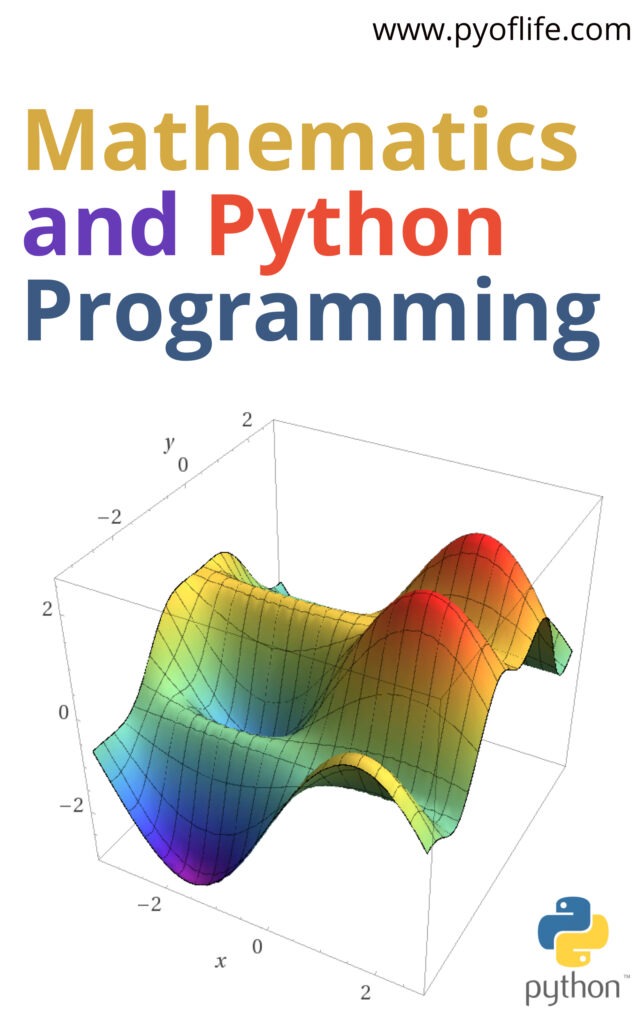
Mathematics and Python Programming

In the ever-evolving landscape of technology, the marriage of mathematics and Python programming has become a powerhouse, driving innovation and efficiency in various fields. This article explores the intricate relationship between these two domains, emphasizing the importance of proficiency in both for individuals seeking to excel in the digital era.

I. Introduction

The intersection of mathematics and Python programming

The confluence of mathematics and Python programming opens up a realm of possibilities, allowing for the creation of robust applications, efficient algorithms, and data-driven insights.

The importance of combining these two domains

Understanding both mathematics and Python programming empowers individuals to tackle complex problems, make informed decisions, and contribute meaningfully to technological advancements.

A brief overview of what the article will cover

This article will guide you through the basics of Python programming, delve into the application of mathematical concepts in Python, explore real-world examples, and discuss the future trends at the intersection of mathematics and Python.

Mathematics and Python Programming

Download(PDF)

II. The Basics of Python Programming

Introduction to Python syntax

Python’s readable syntax makes it an ideal language for beginners. We’ll explore the basics, including variables, loops, and conditional statements.

Variables and data types

Understanding data types and variables is crucial for effective Python programming. We’ll cover the essentials to lay a solid foundation.

Control flow statements

Learn how to control the flow of your program with conditional statements and loops, enhancing the efficiency of your code.

Functions and modules

Unlock the power of functions and modules in Python to organize and streamline your code, setting the stage for more complex applications.

III. Mathematics in Python

Overview of mathematical operations in Python

Discover how Python simplifies mathematical operations, from basic arithmetic to complex calculations.

Importance of mathematical functions in programming

Explore the significance of mathematical functions in programming and how they contribute to problem-solving and optimization.

Examples of mathematical operations using Python

Walk through practical examples of applying mathematical concepts in Python, reinforcing your understanding through hands-on experience.

IV. Applications in Data Science

Python’s role in data science

Understand why Python is the go-to language for data scientists and how its integration with mathematics enhances data analysis capabilities.

Utilizing mathematical concepts for data analysis

Explore the synergy between mathematics and Python in data science, emphasizing the role of statistical methods and mathematical models.

Popular Python libraries for data science

Introduce yourself to powerful Python libraries like NumPy and Pandas, essential for data manipulation and analysis.

V. Machine Learning and Python

Introduction to machine learning

Demystify machine learning concepts and understand how Python serves as a gateway to implementing machine learning algorithms.

Python’s significance in machine learning

Delve into Python’s role in machine learning development, from data preprocessing to model evaluation.

Implementing mathematical models with Python

Witness the fusion of mathematics and Python in creating and implementing machine learning models, showcasing the practical applications of both domains.

VI. Challenges and Solutions

Common challenges faced in combining mathematics and Python

Acknowledge and address common hurdles in integrating mathematics into Python code, from compatibility issues to complexity.

Solutions to overcome these challenges

Discover effective solutions and strategies to overcome challenges, ensuring a seamless integration of mathematics into your Python projects.

Tips for effective integration

Gain valuable tips for effectively combining mathematics and Python, optimizing your workflow, and enhancing your coding capabilities.

VII. Real-world Examples

Showcasing practical applications of mathematics in Python programming

Explore real-world examples where the synergy between mathematics and Python has led to groundbreaking solutions and innovations.

Success stories and case studies

Dive into success stories and case studies of individuals and companies leveraging the power of mathematics and Python for tangible outcomes.

VIII. Future Trends

Emerging trends at the intersection of mathematics and Python

Stay ahead of the curve by exploring the future trends that will shape the landscape of mathematics and Python programming.

Potential advancements and innovations

Anticipate potential advancements and innovations in both fields, preparing yourself for the evolving demands of the digital era.

IX. Learning Resources

Recommended books and courses

Discover essential resources for mastering both mathematics and Python programming, tailored for individuals at various skill levels.

Online platforms for mastering mathematics and Python programming

Explore online platforms offering comprehensive courses and tutorials, providing a flexible and accessible way to enhance your skills.

Communities and forums for learners

Join communities and forums where you can engage with fellow learners, seek guidance, and stay updated on the latest developments in both domains.

X. Advantages of Proficiency in Both

Career opportunities

Unlock diverse career opportunities by possessing proficiency in both mathematics and Python, making yourself an asset in a competitive job market.

Enhanced problem-solving skills

Develop enhanced problem-solving skills by applying mathematical thinking to Python programming, fostering a holistic approach to challenges.

Versatility in technical roles

Position yourself as a versatile professional capable of contributing to a wide range of technical roles, from software development to data analysis.

XI. Tips for Learning and Improvement

Establishing a solid foundation in mathematics

Lay a strong foundation in mathematics by focusing on key concepts and principles, setting the stage for seamless integration with Python.

Consistent Python programming practice

Consistency is key. Sharpen your Python programming skills through regular practice, reinforcing your understanding and fluency in the language.

Continuous learning and staying updated

Embrace a mindset of continuous learning, staying updated on advancements in mathematics and Python programming for sustained growth and relevance.

XII. Conclusion

Recap of the significance of combining mathematics and Python

In conclusion, the synergy between mathematics and Python programming is a driving force behind technological advancements. Proficiency in both opens doors to endless possibilities, making you a valuable contributor to the digital landscape.

Encouragement for readers to explore the synergy between the two domains

I encourage you to embark on a journey of exploration, bridging the gap between mathematics and Python programming. The skills you develop will be personally rewarding and position you for success in the rapidly evolving tech industry.

Download(PDF)

Download: Pandas: Powerful Python Data Analysis toolkit

Biostatistics with R: An Introduction to Statistics Through Biological Data

Biostatistics, a field that merges biology and statistics, plays a pivotal role in extracting meaningful insights from biological data. In this article, we delve into the basics of biostatistics and explore the powerful tool R, which has become integral to statistical analysis in the biological sciences.

I. Introduction

A. Importance of statistics in biology

Statistics is the backbone of biological research, providing a structured approach to interpreting data. Whether studying the behavior of genes or the efficacy of a new drug, statistical analysis is crucial for drawing reliable conclusions.

B. Overview of biostatistics with R

Biostatistics involves the application of statistical methods to biological data. R, a programming language and software, has gained popularity for its versatility in handling complex statistical analyses.

II. Basics of Statistics

A. Understanding statistical terms

Before diving into biostatistics, it’s essential to grasp basic statistical terms like mean, median, and standard deviation. These concepts form the foundation for more advanced analyses.

B. Descriptive vs inferential statistics

Descriptive statistics summarize and describe the main features of a dataset, while inferential statistics make predictions and inferences about a population based on a sample.

Biostatistics with R An Introduction to Statistics Through Biological Data
Biostatistics with R: An Introduction to Statistics Through Biological Data

Download:

III. Why Biostatistics Matters

A. Role in biological research

Biostatistics aids researchers in making sense of vast and intricate biological datasets, ensuring their findings are statistically sound and reliable.

B. Making sense of complex biological data

The biological sciences generate massive amounts of data, and biostatistics provides the tools to analyze and interpret this information accurately.

IV. Introduction to R

A. What is R?

R is an open-source programming language and software environment designed for statistical computing and graphics. Its flexibility and extensive packages make it an ideal choice for biostatistical analysis.

B. Advantages of using R in biostatistics

R allows for reproducible research, efficient data manipulation, and a vast array of statistical techniques. Its active user community ensures continuous development and support.

V. Getting Started with R

A. Installing R and RStudio

To embark on your biostatistical journey with R, start by installing R and RStudio, a user-friendly integrated development environment (IDE) for R.

B. Basic commands and functions

Learn the fundamental commands and functions in R, such as reading data, summarizing statistics, and creating basic visualizations.

VI. Exploring Biological Data

A. Data collection in biology

Collecting and preparing biological data is a critical step. R simplifies data importation and cleaning processes, facilitating efficient analysis.

B. Importing and cleaning data in R

Explore R’s capabilities in importing and cleaning biological data, ensuring the dataset is ready for statistical analysis.

VII. Descriptive Statistics in R

A. Measures of central tendency

Understand how to calculate and interpret measures like mean, median, and mode using R.

B. Measures of dispersion

Explore statistical indicators of data spread, such as standard deviation and variance, to better understand the distribution of biological data.

VIII. Inferential Statistics in R

A. Hypothesis testing

Learn how to formulate and test hypotheses using R, a crucial aspect of drawing meaningful conclusions from biological data.

B. Confidence intervals and p-values

Understand the significance of confidence intervals and p-values in inferential statistics, ensuring the reliability of research findings.

IX. Visualizing Biological Data in R

A. Creating plots and charts

Master the art of creating visual representations of biological data in R, enhancing your ability to communicate findings effectively.

B. Enhancing data interpretation

Visualizations aid in understanding complex patterns within biological data, making it easier to convey results to a broader audience.

X. Challenges in Biostatistics

A. Addressing bias in data

Explore methods to identify and address bias in biological data, ensuring the accuracy and fairness of statistical analyses.

B. Dealing with small sample sizes

Small sample sizes are common in biological research. Learn techniques in R to mitigate the challenges associated with limited data.

XI. Future Trends in Biostatistics

A. Emerging technologies

Discover how emerging technologies, such as machine learning and big data analytics, are influencing the future of biostatistics.

B. Integrating AI in biostatistical analysis

Artificial intelligence is becoming increasingly relevant in biostatistics, automating repetitive tasks and providing advanced analytical capabilities.

XII. Real-world Applications

A. Case studies in biostatistics

Explore real-world applications of biostatistics, from clinical trials to ecological studies, highlighting its impact on medical advancements.

B. Contributions to medical advancements

Biostatistics has played a crucial role in shaping medical breakthroughs, ensuring that scientific discoveries are not only innovative but also statistically valid.

XIII. Tips for Effective Biostatistical Analysis

A. Importance of Collaboration

Collaboration with biologists, clinicians, and other experts enhances the quality and relevance of biostatistical analyses.

B. Continuous learning and skill development

Stay abreast of new developments in biostatistics and continually develop your skills to remain effective in this dynamic field.

XIV. Conclusion

A. Recap of biostatistics with R

Biostatistics with R opens a gateway to effective statistical analysis in biological data, empowering researchers to derive meaningful insights.

B. Encouragement for further exploration

As you embark on your biostatistical journey, remember that integrating R in statistical analysis offers a powerful and rewarding experience. Dive deeper, explore new techniques, and contribute to the ever-evolving field of biostatistics.

Download(PDF)

Download: R Programming for Bioinformatics

Advanced R Solutions: Unleashing the Power of Data Science

Advanced R Solutions: Unleashing the Power of Data Science: Data science and analytics have witnessed a transformative journey with the evolution of programming languages. Among them, R has emerged as a powerhouse, especially with the advent of advanced R solutions. In this article, we will delve into the intricacies of Advanced R Solutions, exploring its features, applications, and the impact it has on data-driven decision-making.

Introduction to Advanced R Solutions

In the realm of data science, R has established itself as a go-to language for statistical computing and graphics. As organizations increasingly rely on data to drive their strategies, the need for more sophisticated solutions led to the development of Advanced R. This article aims to unravel the layers of Advanced R Solutions, shedding light on its evolution, features, and real-world applications.

Evolution of R in Data Science

The journey of R in data science dates back to its inception in the early ’90s. Initially designed for statistical computing, R quickly gained popularity due to its open-source nature and extensibility. Over the years, numerous contributors and the R community have played a pivotal role in shaping it into a versatile tool for data analysis. Understanding this evolution sets the stage for comprehending the significance of advanced R solutions.

Core Features of Advanced R Solutions

Advanced R Solutions builds upon the robust foundation of R, introducing features that cater to the complex demands of modern data science. From enhanced data manipulation capabilities to the integration of cutting-edge statistical methods and machine learning algorithms, these features elevate R to new heights in the realm of analytics.

Advanced R Solutions Unleashing the Power of Data Science

Data Visualization Capabilities

One of the standout features of Advanced R Solutions is its prowess in data visualization. R offers a plethora of packages and tools that enable data scientists to create captivating and insightful visualizations. Whether it’s heat maps, interactive plots, or 3D graphs, R empowers users to convey complex insights in a visually appealing manner.

Efficient Data Cleaning Techniques

Clean and reliable data is the backbone of any successful data science project. Advanced R Solutions comes equipped with powerful techniques for data cleaning and preprocessing. From handling missing values to outlier detection, R provides a comprehensive toolkit for ensuring data cleanliness before analysis.

Optimized Performance with Parallel Computing

As datasets continue to grow in size and complexity, the need for efficient processing becomes paramount. Advanced R Solutions addresses this challenge through parallel computing, allowing data scientists to leverage the power of multiple processors simultaneously. The result is faster and more scalable data analysis.

Advanced R for Big Data Analytics

While R has traditionally been associated with smaller datasets, Advanced R Solutions extends its capabilities to handle big data. This section explores how R competes with other tools in the big data analytics landscape, showcasing its strengths and adaptability.

Integration with Other Data Science Tools

Collaboration and interoperability are crucial in the data science ecosystem. Advanced R Solutions seamlessly integrates with other popular tools and platforms, fostering a cohesive environment for data scientists and analysts. This section explores the synergy between R and complementary tools.

Customizing Functions with Advanced R Programming

For users seeking greater flexibility and customization, Advanced R Solutions provides advanced programming techniques. This section dives into the world of custom functions, showcasing how users can tailor R to meet specific project requirements.

Machine Learning Advancements in R

Machine learning is at the forefront of data science, and R continues to play a significant role in this domain. The article explores the machine learning advancements within the R environment, highlighting recent breakthroughs and contributions.

Case Studies: Real-World Applications

To illustrate the practical impact of Advanced R Solutions, this section presents case studies across various industries. From healthcare to finance, these real-world examples showcase how organizations have leveraged R to gain valuable insights and drive informed decision-making.

Community and Resources for Advanced R Users

The R community is known for its vibrancy and collaborative spirit. This section explores the plethora of resources available to advanced R users, including forums, blogs, and events. Continuous learning and knowledge-sharing are fundamental to the growth of the R ecosystem.

Best Practices for Implementing Advanced R Solutions

Implementing advanced R solutions requires a strategic approach. This section provides practical tips and best practices for users looking to integrate advanced R into their workflows. Avoiding common pitfalls and optimizing processes are key considerations.

Future Trends in Advanced R Solutions

As technology evolves, so does the landscape of data science. This section speculates on future trends in Advanced R Solutions, offering insights into potential developments that could shape the future of R in data analytics.

Conclusion

In conclusion, Advanced R Solutions stands as a testament to the dynamic nature of the R programming language. From its humble beginnings in statistical computing to becoming a powerhouse in data science, R continues to evolve. By exploring the features, applications, and future trends of Advanced R Solutions, this article aims to inspire data scientists and analysts to embrace the full potential of R in their endeavors.

Download(PDF)

Download: Advanced R for Data Analysis and Visualization

Pandas: Powerful Python Data Analysis toolkit

In the ever-evolving landscape of data science, having a robust and efficient tool for data analysis is paramount. This article delves into the realm of Pandas, a powerful Python data analysis toolkit that has become a cornerstone for data manipulation and analysis.

What is Pandas?

Pandas is an open-source data manipulation and analysis library for Python. It provides data structures, functions, and tools for working with structured data seamlessly. Whether you’re handling data cleaning, exploration, or transformation, Pandas is your go-to companion.

History of Pandas

Pandas was created by Wes McKinney in 2008 while working at AQR Capital Management. Since then, it has evolved into a mature and widely used library, gaining popularity in both academic and industrial settings.

Pandas Powerful Python Data Analysis toolkit

Key Features of Pandas

Data Structures

Pandas offers two primary data structures: Series and DataFrame. Series is ideal for one-dimensional data, while DataFrame handles two-dimensional data, resembling a spreadsheet.

Data Manipulation

Pandas simplify data manipulation with an extensive set of methods for filtering, sorting, and transforming data. Its intuitive syntax makes complex operations accessible.

Missing Data Handling

Dealing with missing data can be challenging. Pandas provides robust methods for identifying, handling, and filling in missing data, ensuring your analysis remains accurate.

Merging and Joining

Pandas excel in merging and joining datasets, enabling seamless integration of information from different sources.

Grouping and Aggregation

Grouping data based on specific criteria and performing aggregation functions is a breeze with Pandas, providing valuable insights into your dataset.

Time Series Functionality

For time-based data analysis, Pandas offers powerful tools for resampling, shifting, and handling time series data.

How to Install Pandas

Installing Pandas is a straightforward process. Using pip, the Python package manager, you can execute pip install pandas to get the latest version.

Basic Pandas Operations

Loading Data

Pandas support various file formats, including CSV, Excel, and SQL. Loading data into a DataFrame is as simple as using the pd.read_csv() function.

Exploring Data

Understanding your dataset is crucial. Pandas offers methods like head(), tail(), and describe() to quickly assess your data’s structure and content.

Data Cleaning

Cleaning messy data is made easier with Pandas. Functions like dropna() and fillna() assist in handling missing values, ensuring a clean dataset.

Data Selection

Selecting specific rows or columns is effortless with Pandas. The loc[] and iloc[] methods provide versatile ways to slice and dice your data.

Data Transformation

Pandas facilitate data transformation through methods like groupby(), allowing you to aggregate, filter, and transform data seamlessly.

Advanced Pandas Operations

Multi-indexing

Multi-indexing enables you to work with complex hierarchical data structures, providing a more granular level of organization.

Pivot Tables

Pivot tables are a powerful feature for reshaping and summarizing data, simplifying complex analyses.

Data Visualization

Pandas integrates with popular visualization libraries like Matplotlib and Seaborn, enhancing your ability to create insightful charts and graphs.

Performance Optimization

Optimizing performance is crucial for large datasets. Pandas offers techniques like using vectorized operations for faster computations.

Real-world Applications

Pandas find applications in various domains, including finance, healthcare, and academia. Its versatility and ease of use make it a preferred choice for data analysts and scientists.

Challenges and Common Pitfalls

While Pandas is powerful, users may face challenges with memory usage for large datasets. It’s essential to optimize your code and leverage Pandas’ built-in functions for efficient processing.

Community and Support

Pandas boasts a vibrant community, with active forums and documentation. The community support ensures that users can access resources and assistance when needed.

Conclusion

In conclusion, Pandas stands tall as a powerful Python data analysis toolkit, offering a plethora of features for data manipulation and analysis. Whether you are a beginner or an experienced data scientist, Pandas empowers you to unlock the true potential of your datasets.

Download(PDF)

Download: Python for Geospatial Data Analysis

Applied Multivariate Statistics with R

Welcome to the dynamic world of Applied Multivariate Statistics with R, where data unfolds its intricate patterns and relationships through advanced statistical methods. In this article, we’ll delve into the significance of multivariate analysis, exploring how R, a powerful statistical tool, plays a pivotal role in unraveling complex data structures.

What is Applied Multivariate Statistics?

Multivariate statistics involves the simultaneous analysis of multiple variables, providing a holistic view of data relationships. It goes beyond univariate and bivariate analyses, offering a comprehensive understanding of interdependencies among variables.

Importance in Research

Multivariate analysis is indispensable in various research domains, from social sciences to biological research. Its ability to handle diverse data types and uncover hidden patterns makes it an invaluable asset in drawing meaningful conclusions from complex datasets.

Practical Applications

Researchers leverage multivariate statistics in fields such as market research, healthcare, finance, and ecology. From predicting consumer behavior to identifying disease risk factors, the applications are wide-ranging and impactful.

Applied Multivariate Statistics with R

R as a Statistical Tool

R, a free and open-source statistical programming language, has gained popularity for its flexibility and extensibility in data analysis. Let’s explore why R is a preferred choice for applied multivariate statistics.

Benefits of Using R

  • Versatility: R offers a vast collection of packages for multivariate analysis, accommodating a spectrum of statistical techniques.
  • Community Support: The active R community ensures constant updates, support, and a wealth of resources for users.
  • Integration Capabilities: R seamlessly integrates with other data analysis tools and platforms, enhancing its utility in diverse workflows.

Getting Started with R

Embarking on your multivariate statistical journey with R is straightforward. Let’s walk through the essential steps to set up R for efficient data analysis.

Installing and Setting Up

  1. Download R: Visit the official R website and download the latest version suitable for your operating system.
  2. Install R: Follow the installation instructions to set up R on your machine.
  3. Install RStudio: RStudio, a popular integrated development environment (IDE), enhances the R user experience. Install it to streamline your workflow.

Key Multivariate Techniques

Now that we’re equipped with R, let’s explore some key multivariate techniques that empower researchers and analysts.

Exploring Common Methods

  1. Principal Component Analysis (PCA): Uncover latent variables and reduce dimensionality.
  2. Cluster Analysis: Identify natural groupings within your data.
  3. Multivariate Analysis of Variance (MANOVA): Examine differences in multiple variables across groups.

Case Studies

To illustrate the real-world impact of applied multivariate statistics with R, let’s delve into a couple of case studies.

Real-world Applications

  1. Market Segmentation: Understand customer segments for targeted marketing strategies.
  2. Drug Efficacy Studies: Evaluate the effectiveness of multiple drugs simultaneously.

Advantages of Multivariate Analysis

The advantages of multivariate analysis extend beyond uncovering complex relationships. Let’s explore the comprehensive insights it offers.

Comprehensive Insights

  • Holistic Understanding: Gain a nuanced understanding of the interactions among multiple variables.
  • Predictive Power: Harness predictive models for informed decision-making.

Challenges and Considerations

While multivariate analysis is a powerful tool, it comes with its set of challenges. Let’s address potential issues and considerations.

Addressing Potential Issues

  1. High Dimensionality: Manage large datasets with caution to avoid computational challenges.
  2. Assumptions and Validity: Ensure your data meets the assumptions of multivariate techniques for valid results.

Tips for Effective Implementation

Maximize the benefits of applied multivariate statistics with these practical tips.

Best Practices with R

  • Data Preprocessing: Ensure data quality through thorough preprocessing steps.
  • Visualizations: Use visualizations to interpret and communicate complex results effectively.

R Packages for Multivariate Analysis

R’s extensive package ecosystem offers specialized tools for efficient multivariate analysis. Explore these packages to enhance your analytical capabilities.

Tools for Efficient Analysis

  1. FactoMineR: A versatile package for exploratory multivariate analysis.
  2. Cluster: Implement cluster analysis with this comprehensive package.

Learning Resources

To deepen your understanding of applied multivariate statistics, consider these learning resources.

Books, Courses, and Tutorials

  1. “Applied Multivariate Statistical Analysis” by Richard A. Johnson and Dean W. Wichern
  2. Coursera Course: Multivariate Data Analysis by the University of Tokyo

Community Support

Engaging with the R community enhances your learning and problem-solving experience.

Evolving Landscape of Multivariate Statistics

As technology advances, the field of multivariate statistics continues to evolve. Stay updated on emerging trends and methodologies.

Conclusion

In conclusion, applied multivariate statistics with R opens doors to a wealth of insights and discoveries. Whether you’re a researcher, analyst, or enthusiast, harnessing the power of R in multivariate analysis can elevate your understanding of complex datasets.

Download(PDF)

Download: An Introduction to Applied Multivariate Analysis with R