Books

The Data Science Handbook

In the vast landscape of information and technology, one book stands out as a beacon of knowledge for aspiring data scientists and seasoned professionals alike – The Data Science Handbook. This comprehensive guide serves as an invaluable resource, encompassing the evolution, key components, applications, and future trends of data science.

1. Introduction to Data Science Handbook

The Data Science Handbook is more than just a book; it’s a roadmap to understanding the intricacies of data science. Whether you’re a beginner looking to dive into the field or an experienced professional seeking to enhance your skills, this handbook has something to offer everyone.

2. Evolution of Data Science

2.1 The Early Days

The journey of data science traces back to the early days of computing when the focus was on data analysis and interpretation. As technology advanced, so did the capabilities of data science, leading to a paradigm shift in how information is perceived and utilized.

2.2 Technological Advancements

In recent years, technological advancements have propelled data science to new heights. The integration of artificial intelligence and machine learning has opened doors to unprecedented possibilities, making data-driven decision-making more efficient and accurate than ever before.

The Data Science Handbook

3. Key Components of Data Science

3.1 Statistical Analysis

At the core of data science lies statistical analysis, providing the tools to interpret and derive meaningful insights from vast datasets. Understanding the principles of statistics is fundamental for any data scientist navigating the complex world of information.

3.2 Machine Learning

Machine learning algorithms play a pivotal role in predictive analytics, enabling systems to learn and improve from experience without explicit programming. The Data Science Handbook delves into various machine learning techniques, offering a comprehensive guide for implementation.

3.3 Big Data

With the exponential growth of data, the ability to handle and analyze large datasets is crucial. The handbook addresses the challenges and solutions associated with big data, equipping readers with the knowledge to tackle real-world scenarios.

4. Importance in Various Industries

4.1 Healthcare

Data science revolutionizes healthcare by enhancing patient care, optimizing operations, and facilitating medical research. The handbook explores how data science applications are transforming the healthcare landscape.

4.2 Finance

Data science plays a vital role in risk management, fraud detection, and investment strategies in the financial sector. The handbook provides insights into the applications of data science that are reshaping the financial industry.

4.3 Marketing

Marketing strategies are increasingly data-driven, with analytics shaping campaigns and customer interactions. The handbook elucidates the role of data science in marketing, offering practical advice for professionals in the field.

5. Skills Required for Data Scientists

5.1 Analytical Skills

Data scientists must possess strong analytical skills to interpret complex datasets and draw meaningful conclusions. The handbook guides readers in honing these analytical abilities for effective decision-making.

5.2 Programming Skills

Proficiency in programming languages such as Python and R is essential for data scientists. The handbook provides practical tips and resources to enhance programming skills for data science applications.

5.3 Domain Knowledge

Understanding the industry or domain in which data science is applied is crucial. The handbook emphasizes the significance of domain knowledge and offers strategies for acquiring it.

6. Challenges in Data Science

6.1 Privacy Concerns

As data collection increases, so do privacy concerns. The handbook explores the ethical considerations and strategies to address privacy issues in data science.

6.2 Ethical Issues

Data science brings forth ethical dilemmas, from biased algorithms to responsible data usage. The handbook discusses these ethical challenges and encourages ethical practices in the field.

7. Applications of Data Science

7.1 Predictive Analytics

Predictive analytics is a powerful tool in data science, forecasting future trends and outcomes. The handbook explains the methodologies behind predictive analytics and its applications across various industries.

7.2 Fraud Detection

In the realm of finance and beyond, fraud detection is a critical application of data science. The handbook explores the techniques and technologies employed in detecting and preventing fraud.

7.3 Personalized Recommendations

Data science powers personalized recommendations, from streaming services to online shopping. The handbook delves into the algorithms that drive these recommendations, providing a deeper understanding of the user experience.

8. The Data Science Handbook – A Comprehensive Guide

8.1 Authorship

Authored by industry experts and seasoned data scientists, the Data Science Handbook is a collective effort to impart knowledge and expertise. The handbook’s credibility is rooted in the experience and insights shared by those at the forefront of the data science field.

8.2 Structure and Content

The handbook’s structure is designed for easy comprehension, progressing from foundational concepts to advanced applications. Rich content, real-world examples, and practical advice make it an indispensable guide for anyone navigating the world of data science.

9. Reviews and Testimonials

9.1 Real-World Success Stories

The Data Science Handbook has garnered praise for its impact on individuals’ careers. Real-world success stories featured in the handbook serve as inspiration, showcasing the tangible benefits of applying data science principles.

9.2 Industry Expert Opinions

Experts in the field endorse the handbook for its accuracy, relevance, and practicality. Their testimonials highlight the handbook’s role in shaping the data science landscape and contributing to the professional growth of its readers.

10. How to Get Started in Data Science

10.1 Education and Certifications

The handbook offers guidance on educational paths and certifications for aspiring data scientists. Whether through formal education or online courses, readers can find tailored approaches to kickstart their data science journey.

10.2 Building a Strong Portfolio

A strong portfolio is essential for showcasing practical skills in data science. The handbook provides tips on creating an impactful portfolio that stands out in a competitive field.

11. Future Trends in Data Science

11.1 Artificial Intelligence Integration

The integration of artificial intelligence into data science is a burgeoning trend. The handbook explores how AI is reshaping data analysis and its potential impact on the future of the field.

11.2 Automation in Data Analysis

Automation is streamlining data analysis processes, making them more efficient and accessible. The handbook anticipates the role of automation in data science and its implications for professionals in the field.

12. Conclusion

In conclusion, the Data Science Handbook serves as a beacon for those navigating the ever-evolving landscape of data science. Its comprehensive approach, real-world insights, and practical guidance make it an indispensable companion for anyone seeking to master the art and science of data.

Download(PDF)

Download: Data Science With Python From Scratch

Advanced Data Analytics Using Python

In today’s fast-paced business environment, harnessing the power of data is crucial for informed decision-making. Advanced data analytics, especially when combined with Python, machine learning, deep learning, and natural language processing (NLP), opens up new possibilities. This article delves into the intricacies of these technologies, providing a comprehensive guide for anyone seeking to leverage advanced data analytics successfully.

Introduction

Data analytics has evolved from a supporting function to a business’s strategic necessity. Understanding data patterns and trends allows organizations to make informed decisions, gain a competitive edge, and foster innovation. In this context, advanced data analytics goes beyond conventional methods, incorporating cutting-edge technologies like Python, machine learning, deep learning, and NLP.

Python in Data Analytics

Python’s popularity in the data analytics landscape stems from its simplicity, readability, and extensive libraries. Whether handling data manipulation, visualization, or statistical analysis, Python stands out as a versatile and user-friendly programming language.

Machine Learning Essentials

Machine learning, a subset of artificial intelligence, empowers systems to learn from data and improve their performance over time. Its applications in data analytics range from predictive modeling to clustering and classification, enhancing the ability to extract meaningful insights from vast datasets.

Advanced Data Analytics Using Python

Deep Learning: A Deeper Dive

Deep learning takes machine learning to the next level by simulating the human brain’s neural networks. This allows systems to automatically learn and improve from experience. In the realm of data analytics, deep learning provides unparalleled accuracy and efficiency.

Natural Language Processing (NLP) in Data Analytics

NLP enables machines to understand, interpret, and generate human language. In the context of data analytics, NLP plays a crucial role in extracting insights from unstructured data, such as customer reviews, social media comments, and articles.

Integration of Python, Machine Learning, Deep Learning, and NLP

Combining Python with machine learning, deep learning, and NLP results in a powerful synergy. This integration allows for more nuanced analysis, leading to richer insights and a deeper understanding of complex datasets.

Challenges in Advanced Data Analytics

Despite the benefits, advanced data analytics comes with its set of challenges. Issues like data quality, model interpretability, and ethical considerations must be carefully addressed to ensure reliable outcomes.

Tools and Libraries for Advanced Data Analytics

Python boasts a plethora of tools and libraries tailored for advanced data analytics. From Pandas and NumPy for data manipulation to TensorFlow and PyTorch for deep learning, these resources streamline the analytics process.

Practical Implementation: A Step-by-Step Guide

For those looking to implement advanced data analytics, a step-by-step guide can be invaluable. Starting from setting up the environment to integrating deep learning and NLP, a systematic approach ensures a smooth transition into advanced analytics.

Step 1: Setting up the Environment

Begin by installing the necessary Python libraries and frameworks, ensuring compatibility with your data sources.

Step 2: Data Preparation

Cleanse and preprocess your data to eliminate outliers, missing values, and irrelevant information. This step lays the foundation for accurate analysis.

Step 3: Building Machine Learning Models

Select appropriate algorithms based on your objectives and train machine learning models using your prepared data.

Step 4: Integrating Deep Learning and NLP

Enhance your analytics capabilities by incorporating deep learning and NLP techniques. This step enables a more comprehensive understanding of textual and unstructured data.

Real-world Success Stories

Several businesses have reaped the rewards of advanced data analytics. Companies leveraging these technologies have experienced improved decision-making, enhanced customer experiences, and increased operational efficiency.

Future Trends in Advanced Data Analytics

As technology continues to evolve, so does the field of advanced data analytics. Keep an eye on emerging trends like automated machine learning (AutoML), augmented analytics, and federated learning for insights into the future of analytics.

Advantages of Using Python for Analytics

Python’s dominance in the analytics domain can be attributed to its flexibility, extensive library support, and vibrant community. These factors make it an ideal choice for both beginners and seasoned professionals.

Disadvantages and Limitations

While Python and advanced analytics offer numerous advantages, it’s essential to acknowledge their limitations. Common challenges include the need for substantial computational resources and potential difficulties in deploying complex models.

Tips for Getting Started

For individuals or businesses new to advanced data analytics, a few tips can make the journey smoother. Invest time learning Python, exploring online courses, and actively engaging with the community to stay abreast of developments.

Conclusion

In conclusion, the convergence of Python with machine learning, deep learning, and NLP has propelled advanced data analytics to unprecedented heights. Businesses that embrace these technologies gain a competitive advantage by making data-driven decisions that impact their bottom line positively.

Download(PDF)

Download: Python for data analysis: Data wrangling with pandas NumPy and ipython

Python: Real-World Data Science

Python has become the language of choice for real-world data science, offering a powerful and versatile environment for professionals and enthusiasts alike. From data manipulation to machine learning applications, Python’s extensive library ecosystem and user-friendly syntax make it an indispensable tool in the world of data.

Introduction to Python in Data Science

In recent years, Python has emerged as a leading programming language in the field of data science. Its readability, ease of learning, and vast collection of libraries have made it the go-to language for professionals seeking to harness the power of data.

Python Libraries for Real-World Data Science

Pandas for Data Manipulation

Pandas, a fast and efficient data manipulation library, enables users to handle and analyze large datasets with ease. Its DataFrame structure simplifies tasks such as filtering, grouping, and merging data.

NumPy for Numerical Operations

NumPy, another crucial library, provides support for large, multi-dimensional arrays and matrices. This allows for efficient mathematical operations, essential for numerical data processing in real-world scenarios.

Matplotlib and Seaborn for Data Visualization

Data visualization is a key aspect of data science, and Python offers Matplotlib and Seaborn for creating insightful charts and graphs. These libraries facilitate the communication of complex findings in a visually appealing manner.

Scikit-Learn for Machine Learning

For machine learning enthusiasts, Scikit-Learn provides a simple and efficient toolkit for building predictive models. With a wide range of algorithms and tools, it has become a staple in the data scientist’s toolkit.

Exploring Real-World Data with Python

Importing and Loading Data

One of the initial steps in any data science project is importing and loading data. Python’s flexibility allows seamless integration with various data sources, enabling data scientists to work with diverse datasets effortlessly.

Data Cleaning and Preprocessing

Data quality is paramount in data science. Python simplifies the process of cleaning and preprocessing data, ensuring that the analysis is based on accurate and reliable information.

Python Real-World Data Science

Analyzing and Visualizing Data with Python

Descriptive Statistics

Python offers powerful statistical analysis tools, allowing data scientists to derive meaningful insights through descriptive statistics. This step is crucial in understanding the characteristics of the dataset.

Exploratory Data Analysis (EDA)

Exploratory Data Analysis involves uncovering patterns and relationships within the data. Python’s libraries facilitate EDA, helping data scientists identify trends and outliers that influence subsequent analysis.

Machine Learning Applications in Real-World Data Science

Regression Analysis

Python’s Scikit-Learn library excels in regression analysis, allowing data scientists to predict numerical values based on historical data. This is particularly useful in scenarios such as sales forecasting.

Classification Models

In classification tasks, where data is categorized into groups, Python provides a range of algorithms for building robust models. This is applicable in areas like fraud detection and sentiment analysis.

Clustering Algorithms

Python’s machine-learning capabilities extend to clustering algorithms, enabling the identification of patterns and groups within datasets. This is valuable in customer segmentation and anomaly detection.

Challenges and Opportunities in Real-world Data Science with Python

Overcoming Data Quality Issues

While Python provides powerful tools for data analysis, ensuring data quality remains a challenge. Data scientists must employ techniques to handle missing data and outliers effectively.

Scalability and Performance Challenges

As datasets grow in size and complexity, Python’s scalability may become a concern. Addressing performance issues requires a strategic approach, often involving parallel computing and optimization techniques.

Python’s Role in Business Decision-Making

Data-Driven Decision-Making

Python facilitates data-driven decision-making by providing actionable insights through analysis. Organizations leverage Python to make informed choices that drive business success.

Business Intelligence with Python

Python’s integration with business intelligence tools empowers decision-makers with interactive dashboards and reports, enhancing the overall decision-making process.

Best Practices in Python for Real-World Data Science

Code Optimization

Efficient coding practices are crucial for handling large datasets. Python developers must optimize code for speed and resource utilization, ensuring timely analysis and modeling.

Version Control and Collaboration

Collaboration is key in data science projects. Utilizing version control systems like Git ensures seamless collaboration among team members, allowing for efficient tracking of changes.

Case Studies: Real-World Success with Python in Data Science

Predictive Analytics in Finance

Financial institutions leverage Python for predictive analytics to forecast market trends and make informed investment decisions, enhancing profitability.

Healthcare Data Insights

In the healthcare sector, Python enables data scientists to derive insights from patient records, improving treatment strategies and healthcare delivery.

E-commerce Recommendation Systems

Python’s machine learning capabilities power recommendation systems in e-commerce, enhancing user experience and driving sales through personalized suggestions.

Python’s Impact on Future Data Science Trends

Integration with Big Data Technologies

Python’s compatibility with big data technologies, such as Apache Spark, positions it as a frontrunner in handling massive datasets—a crucial aspect of future data science trends.

Continued Growth of Python in the Data Science Community

As the data science community continues to expand, Python’s versatility and adaptability ensure its continued growth as the preferred language for data analysis and machine learning.

Getting Started with Python for Data Science

Learning Resources and Tutorials

For beginners, numerous online resources and tutorials make learning Python for data science accessible. Interactive platforms and courses provide hands-on experience, facilitating the learning process.

Online Courses and Certifications

Specialized online courses and certifications offer in-depth knowledge and practical skills for aspiring data scientists, guiding them through the intricacies of Python in real-world applications.

Community and Support for Python Data Scientists

Online Forums and Communities

Engaging with online forums and communities allows data scientists to share knowledge, seek advice, and stay updated on the latest trends and developments in the Python data science landscape.

Networking and Collaboration Opportunities

Building a network within the data science community opens doors to collaboration and knowledge exchange. Python enthusiasts can connect with like-minded professionals through conferences and networking events.

Conclusion: Python Empowering Real-World Data Science

In conclusion, Python stands as a powerhouse in the realm of real-world data science. Its versatility, extensive library support, and user-friendly syntax make it an indispensable tool for professionals across various industries. From data exploration to machine learning applications, Python continues to shape the landscape of data science, empowering individuals and organizations to make informed decisions.

Download(PDF)

Download: Pandas: Powerful Python Data Analysis toolkit

Data Science for Business With R

Data Science for Business With R: In today’s fast-paced business environment, leveraging data has become imperative for success. Data Science, a multidisciplinary field that uses scientific methods, processes, algorithms, and systems to extract insights from structured and unstructured data, plays a pivotal role in guiding business decisions.

Role of R in Data Science

One of the key players in the data science arena is the programming language R. Renowned for its statistical computing and graphics capabilities, R provides an ideal environment for businesses to conduct data analysis, visualization, and implement machine learning algorithms.

Applications of Data Science in Business

The applications of data science in business are diverse. From predictive analytics that forecasts future trends to customer segmentation aiding targeted marketing, and fraud detection enhancing security measures, data science reshapes how businesses operate.

Getting Started with R for Business Data Analysis

The journey begins with installing R and RStudio for those new to R. Understanding the basics of R programming is crucial for businesses aiming to harness its power for data analysis and decision-making.

Data Science for Business With R

Data Collection and Preprocessing

To derive meaningful insights, businesses must focus on collecting clean and relevant data. R offers robust techniques for data preprocessing, ensuring that the information used is of the highest quality.

Exploratory Data Analysis (EDA) with R

Visualizing data using R libraries and extracting valuable insights through exploratory analysis is a cornerstone of business data science. R’s capabilities in this realm empower businesses to make informed decisions.

Statistical Modeling in Business

R excels in statistical modeling, including regression analysis and hypothesis testing. These tools enable businesses to derive statistical significance from data, leading to more accurate predictions and informed decision-making.

Machine Learning in Business with R

As businesses delve into machine learning, R provides a comprehensive suite of algorithms for implementation. From classification to regression, businesses can leverage R to build models that enhance their understanding of data patterns.

Data Visualization for Business Decision-Making

Creating compelling visualizations in R is an art. Effective communication of insights through graphs and charts aids in the decision-making process, allowing businesses to act on data-driven information.

Challenges and Opportunities in Business Data Science

While the benefits are immense, businesses must also address challenges such as data quality and interpretability. Looking forward, the evolution of data science presents exciting opportunities for innovation and growth.

Case Studies: Real-world Applications

Examining real-world case studies showcases the tangible impact of data science on businesses. From optimizing operations to improving customer experiences, these examples highlight the transformative power of data.

Best Practices in Data Science for Business

Establishing a data-driven culture within the organization is crucial. Continuous learning and adaptation to new technologies ensure that businesses stay at the forefront of data science advancements.

Security and Ethics in Business Data Science

With great power comes great responsibility. Data privacy and ethical considerations in data science practices are paramount for maintaining trust and integrity.

Measuring Success in Data Science Projects

Businesses must define key performance indicators (KPIs) to measure the success of data science projects. Evaluating the impact on business outcomes ensures that data science initiatives align with overall goals.

Conclusion

In conclusion, embracing data science with R empowers businesses to navigate the complexities of the modern market. From insightful analysis to strategic decision-making, the fusion of data science and R offers a competitive edge in today’s dynamic business landscape.

Download(PDF)

Download: Data Science for Business

Python Social Media Analytics: Unraveling Insights with Code

Python Social Media Analytics: Unraveling Insights with Code: In the vast landscape of digital communication, understanding the nuances of social media is paramount. Python, a versatile and powerful programming language, has emerged as a key player in deciphering the wealth of information available on various platforms. Let’s delve into the realm of Python Social Media Analytics and explore how it can revolutionize the way we interpret online interactions.

Why Python for Social Media Analytics?

Python’s popularity in the programming community is not without reason. Its adaptability, extensive library support, and open-source nature make it an ideal choice for social media analytics.

Versatility of Python

Python’s versatility allows developers to seamlessly switch between different tasks, making it conducive for handling diverse social media platforms.

Abundance of Libraries

The Python ecosystem boasts a plethora of libraries tailored for social media analytics, easing the development process and enabling developers to focus on extracting meaningful insights.

Open Source Advantage

Being an open-source language, Python encourages collaboration and innovation. Developers worldwide contribute to enhancing its capabilities for social media analytics.

Python Social Media Analytics Unraveling Insights with Code

Key Python Libraries for Social Media Analytics

  • Tweepy for Twitter Analytics
  • PRAW for Reddit Analytics
  • Instaloader for Instagram Analytics

These libraries serve as invaluable tools for extracting data from specific platforms, enabling developers to harness the unique characteristics of each social media channel.

Setting Up Python for Social Media Analytics

  • Before embarking on the analytics journey, it’s essential to set up your Python environment.
  • Installing Python and Required Libraries
  • Ensure Python and relevant libraries are installed to kickstart your analytics project.
  • Creating API Keys for Social Media Platforms
  • Acquire API keys for the target platforms (Twitter, Reddit, Instagram) to access their data programmatically.
  • Configuring Python Environment
  • Fine-tune your Python environment to optimize performance and compatibility with social media analytics libraries.

Extracting Data from Social Media Platforms

  • Tweepy: Fetching Tweets and Trends
  • Leverage Tweepy to access Twitter’s API, extracting real-time tweets, and uncovering trending topics.
  • PRAW: Gathering Reddit Posts and Comments
  • With PRAW, dive into the vast world of Reddit, extracting posts, comments, and trends.
  • Instaloader: Downloading Instagram Data
  • Unlock the potential of Instagram data using Instaloader, fetching images, captions, and engagement metrics.

Data Analysis and Visualization

  • With data in hand, Python’s data manipulation and visualization tools come into play.
  • Using Pandas for Data Manipulation
  • Pandas simplifies data manipulation, allowing for seamless organization and analysis of social media data.
  • Plotting Insights with Matplotlib and Seaborn
  • Visualize trends and patterns using Matplotlib and Seaborn, making data interpretation accessible to non-technical stakeholders.
  • Creating Interactive Dashboards with Plotly
  • Elevate your analytics game by building interactive dashboards with Plotly, facilitating dynamic exploration of insights.

Sentiment Analysis with Python

  • Understanding audience sentiment is crucial for meaningful insights.
  • Understanding Sentiment Analysis
  • Explore the basics of sentiment analysis, discerning positive, negative, and neutral sentiments in social media content.
  • Implementing Sentiment Analysis with Python
  • Apply sentiment analysis to your social media data using Python libraries, gaining deeper insights into audience emotions.
  • Interpreting Results
  • Learn to interpret sentiment analysis results, extracting actionable intelligence for strategic decision-making.
  • Challenges and Considerations
  • While Python social media analytics offers immense potential, it comes with its share of challenges.
  • Ethical Concerns in Social Media Analytics
  • Navigate the ethical landscape by respecting user privacy and adhering to ethical data usage practices.
  • Handling Big Data Challenges
  • Address the challenges posed by the sheer volume of social media data, implementing scalable solutions for efficient processing.
  • Staying Updated with Platform Changes
  • Social media platforms evolve, necessitating continuous adaptation to API changes and data structures.

Case Studies

  • Real-life Examples of Successful Python Social Media Analytics
  • Explore case studies showcasing successful applications of Python in unraveling valuable insights.
  • Lessons Learned from Failures
  • Learn from instances where Python social media analytics fell short, deriving lessons for future projects.

Future Trends in Python Social Media Analytics

  • Integration with AI and Machine Learning
  • Explore the future convergence of Python social media analytics with AI and machine learning for predictive insights.
  • Evolving Technologies and Their Impact
  • Anticipate the impact of emerging technologies on the field of social media analytics, staying ahead of the curve.
  • Predictions for the Future
  • Make informed predictions about the trajectory of Python social media analytics, foreseeing its role in shaping digital communication.
  • Benefits of Python Social Media Analytics for Businesses
  • Improving Marketing Strategies
  • Enhance marketing strategies by leveraging Python analytics to understand audience behavior, preferences, and trends.
  • Enhancing Customer Engagement
  • Boost customer engagement by tailoring products and services based on insights derived from social media data.
  • Competitive Advantage
  • Gain a competitive edge by staying ahead of market trends and consumer sentiment through Python social media analytics.

Getting Started: A Step-by-Step Guide

  • Beginners’ Guide to Python Social Media Analytics
  • For newcomers, a step-by-step guide to initiating a Python social media analytics project, ensuring a smooth learning curve.
  • Resources for Further Learning
  • Explore additional resources, tutorials, and courses to deepen your understanding and mastery of Python social media analytics.

Common Mistakes to Avoid

  • Overlooking Privacy and Compliance
  • Avoid legal pitfalls by prioritizing user privacy and adhering to data protection regulations.
  • Ignoring Data Quality Issues
  • Ensure data accuracy and reliability by addressing data quality issues early in the analytics process.
  • Underestimating the Power of Visualization
  • Maximize the impact of your insights by investing time and effort in compelling data visualization.

Success Stories

  • Companies Leveraging Python Social Media Analytics
  • Discover how leading companies leverage Python to gain a competitive advantage through insightful social media analytics.
  • Individual Success Stories
  • Explore stories of individuals who have harnessed Python social media analytics to achieve personal and professional success.

Conclusion

In the realm of digital communication, Python social media analytics emerges as a powerful tool for unraveling insights. By seamlessly integrating with various platforms, Python empowers individuals and businesses to make data-driven decisions, enhancing their online presence and engagement.

Download(PDF)

Download: Robust Python

Introduction to Probability, Statistics, and R

Introduction to Probability Statistics and R: Probability, statistics, and R though seemingly disparate, form a powerful trio in the world of data science and analysis. In this article, we’ll unravel the intricacies of these concepts and explore how they synergize to provide valuable insights across various domains.

I. Introduction

Understanding Probability, Statistics, and R is crucial in today’s data-driven world. Whether you’re a student delving into the basics or a professional seeking to enhance your analytical skills, this article is your guide.

II. Understanding Probability

Defining Probability

Probability is the likelihood of an event occurring. It ranges from 0 to 1, where 0 indicates impossibility, and 1 signifies certainty. We’ll explore fundamental probability rules and share real-world examples to demystify this concept.

III. Basics of Statistics

Statistics involves collecting, analyzing, interpreting, presenting, and organizing data. Distinguishing between descriptive and inferential statistics, we’ll delve into key measures like mean, median, and mode, providing a solid statistical foundation.

Introduction to Probability, Statistics, and R
Introduction to Probability Statistics and R

IV. Introduction to R

Overview of the R programming language

R, a powerful statistical programming language, is gaining prominence for its versatility in data analysis. We’ll cover its significance, guide you through installation, and help set up your R environment.

V. Probability and Statistics in R

Discover how R simplifies probability calculations, leverages statistical functions, and facilitates data visualization. Practical examples will showcase the seamless integration of probability and statistics within the R environment.

VI. Practical Applications

Explore the real-world applications of Probability, Statistics, and R across diverse industries. Case studies will illustrate how these concepts translate into actionable insights, driving informed decision-making.

VII. Challenges and Common Misconceptions

Addressing common challenges

Navigating the complexities of probability and statistics can be daunting. We’ll address common challenges and provide clarity on misunderstood aspects of R, ensuring a smoother learning experience.

VIII. Tips for Learning and Mastering

Effective strategies for mastery

Mastering Probability, Statistics, and R requires a strategic approach. We’ll share effective learning strategies and recommend valuable resources to accelerate your proficiency.

IX. Advancements and Trends

Stay ahead by exploring current trends in probability and statistics. Learn about innovations and advancements in the R programming language, positioning yourself at the forefront of data analysis.

X. Integrating Probability, Statistics, and R

Discover practical ways to integrate these concepts for enhanced data analysis. From predictive modeling to risk assessment, we’ll showcase cross-disciplinary applications that amplify the impact of Probability, Statistics, and R.

XI. Real-world Examples

Success stories and testimonials

Learn from professionals who have successfully applied Probability, Statistics, and R in their careers. Real-world examples will inspire and provide valuable insights into the tangible benefits of mastering these concepts.

XII. Future Prospects

Explore the evolving role of Probability, Statistics, and R in shaping the future. Uncover opportunities for individuals skilled in these domains and gain foresight into the dynamic landscape of data science.

XIII. Conclusion

In conclusion, Probability, Statistics, and R are not isolated concepts but interconnected tools that empower individuals in the realm of data analysis. Continuous learning in these fields opens doors to endless possibilities, making them indispensable in the modern age.

Download(PDF)

Download: Applied Multivariate Statistics with R

Statistics: An Introduction Using R

Statistics: An Introduction Using R: Statistics plays a pivotal role in understanding and interpreting data, providing valuable insights across various disciplines. In this digital age, harnessing the power of statistical analysis has become more accessible, thanks to tools like R programming. If you’re eager to embark on a statistical journey using R, this article will serve as your comprehensive guide.

Introduction to Statistics

Statistics is the science of collecting, analyzing, interpreting, presenting, and organizing data. It is indispensable in fields like economics, biology, social sciences, and more. Decision-makers rely on statistical insights to make informed choices, making it a fundamental skill in today’s data-driven world.

Overview of R Programming

R, a programming language and environment specifically designed for statistical computing and graphics, has gained immense popularity. Its open-source nature and active community make it an excellent choice for statisticians and data scientists alike. Let’s delve into the basics of R and its significance in statistical analysis.

Setting Up R Environment

Before diving into statistical analysis, you need to set up your R environment. Start by installing R and RStudio, a powerful integrated development environment (IDE) for R. Familiarize yourself with the RStudio interface, as it will be your command center for statistical exploration.

Statistics An Introduction Using R

Basic Statistical Concepts

Understanding fundamental statistical concepts is crucial. Explore measures like mean, median, and mode, along with variability and standard deviation. These metrics lay the groundwork for more advanced analyses in R.

Data Types in R

R supports various data types, including numeric, character, and factor. Learn how to handle these data types effectively and explore the different data structures R provides for organizing and manipulating your data.

Data Visualization with ggplot2

Enhance your statistical storytelling by mastering ggplot2, a powerful data visualization library in R. Create compelling plots and charts to gain insights into your data’s patterns and trends.

Descriptive Statistics in R

Learn how to generate summary statistics in R, providing a quick snapshot of your dataset. Dive deeper into exploring data distributions to uncover hidden patterns.

Inferential Statistics Using R

Move beyond descriptive statistics and enter the realm of inferential statistics. Understand hypothesis testing and conduct t-tests and chi-square tests to draw meaningful conclusions from your data.

Regression Analysis in R

Unlock the predictive power of statistics with regression analysis. Delve into linear regression, a key tool for understanding relationships between variables, and implement it in R for practical applications.

Time Series Analysis with R

For time-dependent data, R offers robust tools for time series analysis. Learn to identify trends, patterns, and seasonality in your data, empowering you to make informed decisions.

Machine Learning with R

Explore the intersection of statistics and machine learning. Gain a foundational understanding of machine learning concepts and build a simple predictive model using R.

Handling Missing Data in R

Real-world datasets often come with missing values. Discover techniques for handling missing data and explore imputation methods to maintain the integrity of your analyses.

Challenges and Best Practices in R

Navigate common challenges faced in statistical analysis using R. Adopt best practices to streamline your workflow and ensure accuracy in your results.

Resources for Learning R Statistics

Embark on your learning journey with recommended resources, including online courses, tutorials, books, and forums. Connect with the vibrant R community to enhance your skills.

Conclusion

In this article, we’ve covered the essentials of statistics using R, from setting up your environment to advanced analyses. Whether you’re a novice or looking to expand your statistical toolkit, R provides a versatile platform for exploration and discovery.

Download(PDF)

Download: Biostatistics with R: An Introduction to Statistics Through Biological Data

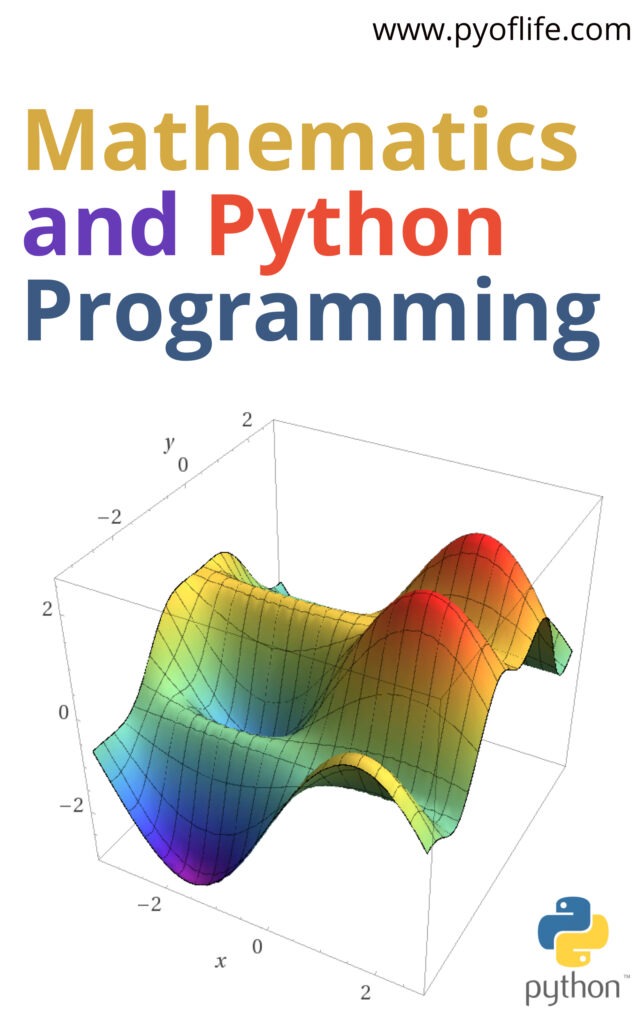
Mathematics and Python Programming

In the ever-evolving landscape of technology, the marriage of mathematics and Python programming has become a powerhouse, driving innovation and efficiency in various fields. This article explores the intricate relationship between these two domains, emphasizing the importance of proficiency in both for individuals seeking to excel in the digital era.

I. Introduction

The intersection of mathematics and Python programming

The confluence of mathematics and Python programming opens up a realm of possibilities, allowing for the creation of robust applications, efficient algorithms, and data-driven insights.

The importance of combining these two domains

Understanding both mathematics and Python programming empowers individuals to tackle complex problems, make informed decisions, and contribute meaningfully to technological advancements.

A brief overview of what the article will cover

This article will guide you through the basics of Python programming, delve into the application of mathematical concepts in Python, explore real-world examples, and discuss the future trends at the intersection of mathematics and Python.

Mathematics and Python Programming

Download(PDF)

II. The Basics of Python Programming

Introduction to Python syntax

Python’s readable syntax makes it an ideal language for beginners. We’ll explore the basics, including variables, loops, and conditional statements.

Variables and data types

Understanding data types and variables is crucial for effective Python programming. We’ll cover the essentials to lay a solid foundation.

Control flow statements

Learn how to control the flow of your program with conditional statements and loops, enhancing the efficiency of your code.

Functions and modules

Unlock the power of functions and modules in Python to organize and streamline your code, setting the stage for more complex applications.

III. Mathematics in Python

Overview of mathematical operations in Python

Discover how Python simplifies mathematical operations, from basic arithmetic to complex calculations.

Importance of mathematical functions in programming

Explore the significance of mathematical functions in programming and how they contribute to problem-solving and optimization.

Examples of mathematical operations using Python

Walk through practical examples of applying mathematical concepts in Python, reinforcing your understanding through hands-on experience.

IV. Applications in Data Science

Python’s role in data science

Understand why Python is the go-to language for data scientists and how its integration with mathematics enhances data analysis capabilities.

Utilizing mathematical concepts for data analysis

Explore the synergy between mathematics and Python in data science, emphasizing the role of statistical methods and mathematical models.

Popular Python libraries for data science

Introduce yourself to powerful Python libraries like NumPy and Pandas, essential for data manipulation and analysis.

V. Machine Learning and Python

Introduction to machine learning

Demystify machine learning concepts and understand how Python serves as a gateway to implementing machine learning algorithms.

Python’s significance in machine learning

Delve into Python’s role in machine learning development, from data preprocessing to model evaluation.

Implementing mathematical models with Python

Witness the fusion of mathematics and Python in creating and implementing machine learning models, showcasing the practical applications of both domains.

VI. Challenges and Solutions

Common challenges faced in combining mathematics and Python

Acknowledge and address common hurdles in integrating mathematics into Python code, from compatibility issues to complexity.

Solutions to overcome these challenges

Discover effective solutions and strategies to overcome challenges, ensuring a seamless integration of mathematics into your Python projects.

Tips for effective integration

Gain valuable tips for effectively combining mathematics and Python, optimizing your workflow, and enhancing your coding capabilities.

VII. Real-world Examples

Showcasing practical applications of mathematics in Python programming

Explore real-world examples where the synergy between mathematics and Python has led to groundbreaking solutions and innovations.

Success stories and case studies

Dive into success stories and case studies of individuals and companies leveraging the power of mathematics and Python for tangible outcomes.

VIII. Future Trends

Emerging trends at the intersection of mathematics and Python

Stay ahead of the curve by exploring the future trends that will shape the landscape of mathematics and Python programming.

Potential advancements and innovations

Anticipate potential advancements and innovations in both fields, preparing yourself for the evolving demands of the digital era.

IX. Learning Resources

Recommended books and courses

Discover essential resources for mastering both mathematics and Python programming, tailored for individuals at various skill levels.

Online platforms for mastering mathematics and Python programming

Explore online platforms offering comprehensive courses and tutorials, providing a flexible and accessible way to enhance your skills.

Communities and forums for learners

Join communities and forums where you can engage with fellow learners, seek guidance, and stay updated on the latest developments in both domains.

X. Advantages of Proficiency in Both

Career opportunities

Unlock diverse career opportunities by possessing proficiency in both mathematics and Python, making yourself an asset in a competitive job market.

Enhanced problem-solving skills

Develop enhanced problem-solving skills by applying mathematical thinking to Python programming, fostering a holistic approach to challenges.

Versatility in technical roles

Position yourself as a versatile professional capable of contributing to a wide range of technical roles, from software development to data analysis.

XI. Tips for Learning and Improvement

Establishing a solid foundation in mathematics

Lay a strong foundation in mathematics by focusing on key concepts and principles, setting the stage for seamless integration with Python.

Consistent Python programming practice

Consistency is key. Sharpen your Python programming skills through regular practice, reinforcing your understanding and fluency in the language.

Continuous learning and staying updated

Embrace a mindset of continuous learning, staying updated on advancements in mathematics and Python programming for sustained growth and relevance.

XII. Conclusion

Recap of the significance of combining mathematics and Python

In conclusion, the synergy between mathematics and Python programming is a driving force behind technological advancements. Proficiency in both opens doors to endless possibilities, making you a valuable contributor to the digital landscape.

Encouragement for readers to explore the synergy between the two domains

I encourage you to embark on a journey of exploration, bridging the gap between mathematics and Python programming. The skills you develop will be personally rewarding and position you for success in the rapidly evolving tech industry.

Download(PDF)

Download: Pandas: Powerful Python Data Analysis toolkit

Biostatistics with R: An Introduction to Statistics Through Biological Data

Biostatistics, a field that merges biology and statistics, plays a pivotal role in extracting meaningful insights from biological data. In this article, we delve into the basics of biostatistics and explore the powerful tool R, which has become integral to statistical analysis in the biological sciences.

I. Introduction

A. Importance of statistics in biology

Statistics is the backbone of biological research, providing a structured approach to interpreting data. Whether studying the behavior of genes or the efficacy of a new drug, statistical analysis is crucial for drawing reliable conclusions.

B. Overview of biostatistics with R

Biostatistics involves the application of statistical methods to biological data. R, a programming language and software, has gained popularity for its versatility in handling complex statistical analyses.

II. Basics of Statistics

A. Understanding statistical terms

Before diving into biostatistics, it’s essential to grasp basic statistical terms like mean, median, and standard deviation. These concepts form the foundation for more advanced analyses.

B. Descriptive vs inferential statistics

Descriptive statistics summarize and describe the main features of a dataset, while inferential statistics make predictions and inferences about a population based on a sample.

Biostatistics with R An Introduction to Statistics Through Biological Data
Biostatistics with R: An Introduction to Statistics Through Biological Data

Download:

III. Why Biostatistics Matters

A. Role in biological research

Biostatistics aids researchers in making sense of vast and intricate biological datasets, ensuring their findings are statistically sound and reliable.

B. Making sense of complex biological data

The biological sciences generate massive amounts of data, and biostatistics provides the tools to analyze and interpret this information accurately.

IV. Introduction to R

A. What is R?

R is an open-source programming language and software environment designed for statistical computing and graphics. Its flexibility and extensive packages make it an ideal choice for biostatistical analysis.

B. Advantages of using R in biostatistics

R allows for reproducible research, efficient data manipulation, and a vast array of statistical techniques. Its active user community ensures continuous development and support.

V. Getting Started with R

A. Installing R and RStudio

To embark on your biostatistical journey with R, start by installing R and RStudio, a user-friendly integrated development environment (IDE) for R.

B. Basic commands and functions

Learn the fundamental commands and functions in R, such as reading data, summarizing statistics, and creating basic visualizations.

VI. Exploring Biological Data

A. Data collection in biology

Collecting and preparing biological data is a critical step. R simplifies data importation and cleaning processes, facilitating efficient analysis.

B. Importing and cleaning data in R

Explore R’s capabilities in importing and cleaning biological data, ensuring the dataset is ready for statistical analysis.

VII. Descriptive Statistics in R

A. Measures of central tendency

Understand how to calculate and interpret measures like mean, median, and mode using R.

B. Measures of dispersion

Explore statistical indicators of data spread, such as standard deviation and variance, to better understand the distribution of biological data.

VIII. Inferential Statistics in R

A. Hypothesis testing

Learn how to formulate and test hypotheses using R, a crucial aspect of drawing meaningful conclusions from biological data.

B. Confidence intervals and p-values

Understand the significance of confidence intervals and p-values in inferential statistics, ensuring the reliability of research findings.

IX. Visualizing Biological Data in R

A. Creating plots and charts

Master the art of creating visual representations of biological data in R, enhancing your ability to communicate findings effectively.

B. Enhancing data interpretation

Visualizations aid in understanding complex patterns within biological data, making it easier to convey results to a broader audience.

X. Challenges in Biostatistics

A. Addressing bias in data

Explore methods to identify and address bias in biological data, ensuring the accuracy and fairness of statistical analyses.

B. Dealing with small sample sizes

Small sample sizes are common in biological research. Learn techniques in R to mitigate the challenges associated with limited data.

XI. Future Trends in Biostatistics

A. Emerging technologies

Discover how emerging technologies, such as machine learning and big data analytics, are influencing the future of biostatistics.

B. Integrating AI in biostatistical analysis

Artificial intelligence is becoming increasingly relevant in biostatistics, automating repetitive tasks and providing advanced analytical capabilities.

XII. Real-world Applications

A. Case studies in biostatistics

Explore real-world applications of biostatistics, from clinical trials to ecological studies, highlighting its impact on medical advancements.

B. Contributions to medical advancements

Biostatistics has played a crucial role in shaping medical breakthroughs, ensuring that scientific discoveries are not only innovative but also statistically valid.

XIII. Tips for Effective Biostatistical Analysis

A. Importance of Collaboration

Collaboration with biologists, clinicians, and other experts enhances the quality and relevance of biostatistical analyses.

B. Continuous learning and skill development

Stay abreast of new developments in biostatistics and continually develop your skills to remain effective in this dynamic field.

XIV. Conclusion

A. Recap of biostatistics with R

Biostatistics with R opens a gateway to effective statistical analysis in biological data, empowering researchers to derive meaningful insights.

B. Encouragement for further exploration

As you embark on your biostatistical journey, remember that integrating R in statistical analysis offers a powerful and rewarding experience. Dive deeper, explore new techniques, and contribute to the ever-evolving field of biostatistics.

Download(PDF)

Download: R Programming for Bioinformatics

Advanced R Solutions: Unleashing the Power of Data Science

Advanced R Solutions: Unleashing the Power of Data Science: Data science and analytics have witnessed a transformative journey with the evolution of programming languages. Among them, R has emerged as a powerhouse, especially with the advent of advanced R solutions. In this article, we will delve into the intricacies of Advanced R Solutions, exploring its features, applications, and the impact it has on data-driven decision-making.

Introduction to Advanced R Solutions

In the realm of data science, R has established itself as a go-to language for statistical computing and graphics. As organizations increasingly rely on data to drive their strategies, the need for more sophisticated solutions led to the development of Advanced R. This article aims to unravel the layers of Advanced R Solutions, shedding light on its evolution, features, and real-world applications.

Evolution of R in Data Science

The journey of R in data science dates back to its inception in the early ’90s. Initially designed for statistical computing, R quickly gained popularity due to its open-source nature and extensibility. Over the years, numerous contributors and the R community have played a pivotal role in shaping it into a versatile tool for data analysis. Understanding this evolution sets the stage for comprehending the significance of advanced R solutions.

Core Features of Advanced R Solutions

Advanced R Solutions builds upon the robust foundation of R, introducing features that cater to the complex demands of modern data science. From enhanced data manipulation capabilities to the integration of cutting-edge statistical methods and machine learning algorithms, these features elevate R to new heights in the realm of analytics.

Advanced R Solutions Unleashing the Power of Data Science

Data Visualization Capabilities

One of the standout features of Advanced R Solutions is its prowess in data visualization. R offers a plethora of packages and tools that enable data scientists to create captivating and insightful visualizations. Whether it’s heat maps, interactive plots, or 3D graphs, R empowers users to convey complex insights in a visually appealing manner.

Efficient Data Cleaning Techniques

Clean and reliable data is the backbone of any successful data science project. Advanced R Solutions comes equipped with powerful techniques for data cleaning and preprocessing. From handling missing values to outlier detection, R provides a comprehensive toolkit for ensuring data cleanliness before analysis.

Optimized Performance with Parallel Computing

As datasets continue to grow in size and complexity, the need for efficient processing becomes paramount. Advanced R Solutions addresses this challenge through parallel computing, allowing data scientists to leverage the power of multiple processors simultaneously. The result is faster and more scalable data analysis.

Advanced R for Big Data Analytics

While R has traditionally been associated with smaller datasets, Advanced R Solutions extends its capabilities to handle big data. This section explores how R competes with other tools in the big data analytics landscape, showcasing its strengths and adaptability.

Integration with Other Data Science Tools

Collaboration and interoperability are crucial in the data science ecosystem. Advanced R Solutions seamlessly integrates with other popular tools and platforms, fostering a cohesive environment for data scientists and analysts. This section explores the synergy between R and complementary tools.

Customizing Functions with Advanced R Programming

For users seeking greater flexibility and customization, Advanced R Solutions provides advanced programming techniques. This section dives into the world of custom functions, showcasing how users can tailor R to meet specific project requirements.

Machine Learning Advancements in R

Machine learning is at the forefront of data science, and R continues to play a significant role in this domain. The article explores the machine learning advancements within the R environment, highlighting recent breakthroughs and contributions.

Case Studies: Real-World Applications

To illustrate the practical impact of Advanced R Solutions, this section presents case studies across various industries. From healthcare to finance, these real-world examples showcase how organizations have leveraged R to gain valuable insights and drive informed decision-making.

Community and Resources for Advanced R Users

The R community is known for its vibrancy and collaborative spirit. This section explores the plethora of resources available to advanced R users, including forums, blogs, and events. Continuous learning and knowledge-sharing are fundamental to the growth of the R ecosystem.

Best Practices for Implementing Advanced R Solutions

Implementing advanced R solutions requires a strategic approach. This section provides practical tips and best practices for users looking to integrate advanced R into their workflows. Avoiding common pitfalls and optimizing processes are key considerations.

Future Trends in Advanced R Solutions

As technology evolves, so does the landscape of data science. This section speculates on future trends in Advanced R Solutions, offering insights into potential developments that could shape the future of R in data analytics.

Conclusion

In conclusion, Advanced R Solutions stands as a testament to the dynamic nature of the R programming language. From its humble beginnings in statistical computing to becoming a powerhouse in data science, R continues to evolve. By exploring the features, applications, and future trends of Advanced R Solutions, this article aims to inspire data scientists and analysts to embrace the full potential of R in their endeavors.

Download(PDF)

Download: Advanced R for Data Analysis and Visualization